
Design
Responding to and reflecting Clerkenwell’s character
Clerkenwell’s character has been created over many centuries. Its streets and buildings reflect a long history, from medieval religious institutions and historic lanes to workshops, commerce, specialist trades and, more recently, creative and design-led businesses. This layered history gives the area its distinctive feel. Narrow streets, courtyards, brick and stone buildings, varied rooflines, strong window proportions and detailed façades all contribute to the local townscape.
In contrast, the existing building makes little positive contribution to its historic setting and instead detracts from the character and appearance of the surrounding conservation area. Its glazed cladding, materials and street-level arrangement have a generic late-20th / early-21st century office character, rather than reflecting the depth and detail of Clerkenwell’s historic townscape.
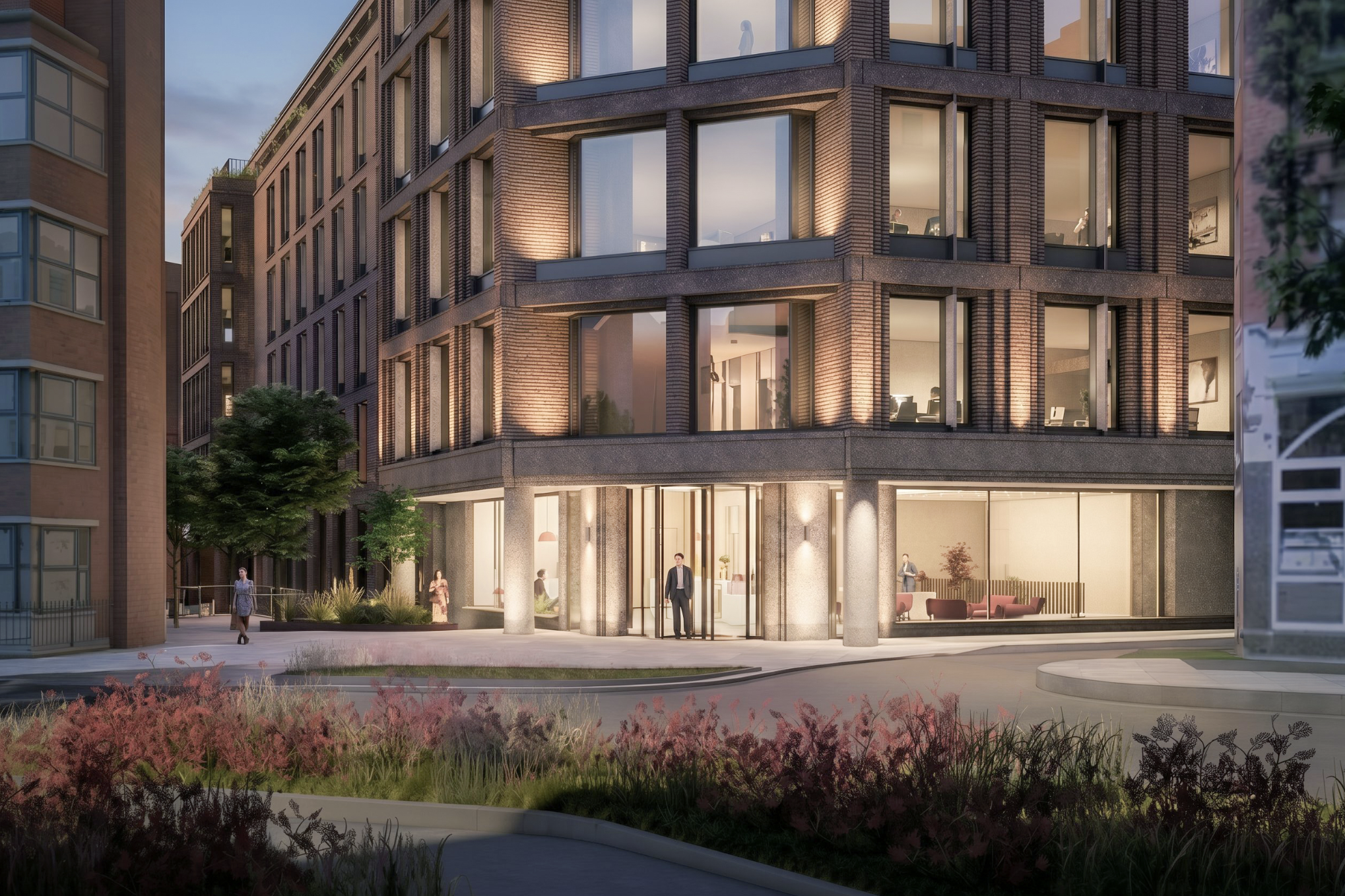
The proposals seek to address this by introducing a more carefully considered façade. The design would use materials, such as brick and stone, with greater depth, rhythm and detail to reflect the character of nearby buildings.
The current building stands out but for the wrong reasons
Set against the quality and variety of buildings nearby, One St John’s Lane now feels dated. Rather than reinforcing the character of the surrounding conservation area, its current appearance detracts from this sensitive historic setting and weakens the building’s relationship with its neighbours.
The building also needs to perform better environmentally. The proposals would retain and reuse the existing superstructure, while introducing a new energy-efficient façade to improve thermal performance, reduce heat loss and help manage solar gain.
This approach would allow the project to improve the building’s appearance and environmental performance at the same time. It would replace a tired external treatment with a more considered design that gives the building a stronger relationship with its surroundings.
A new sustainable building façade
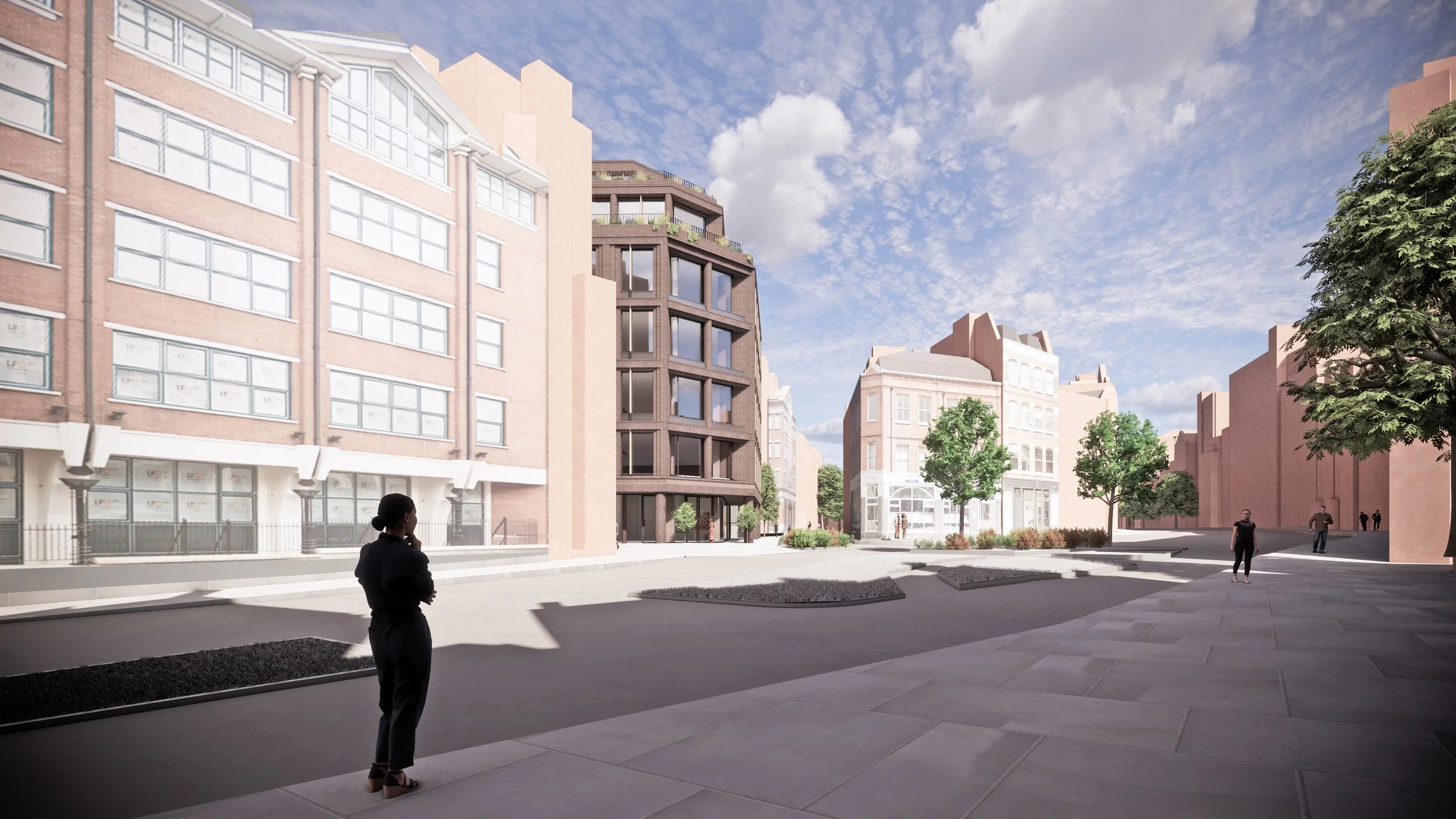
Proposed view north up St John’s Street
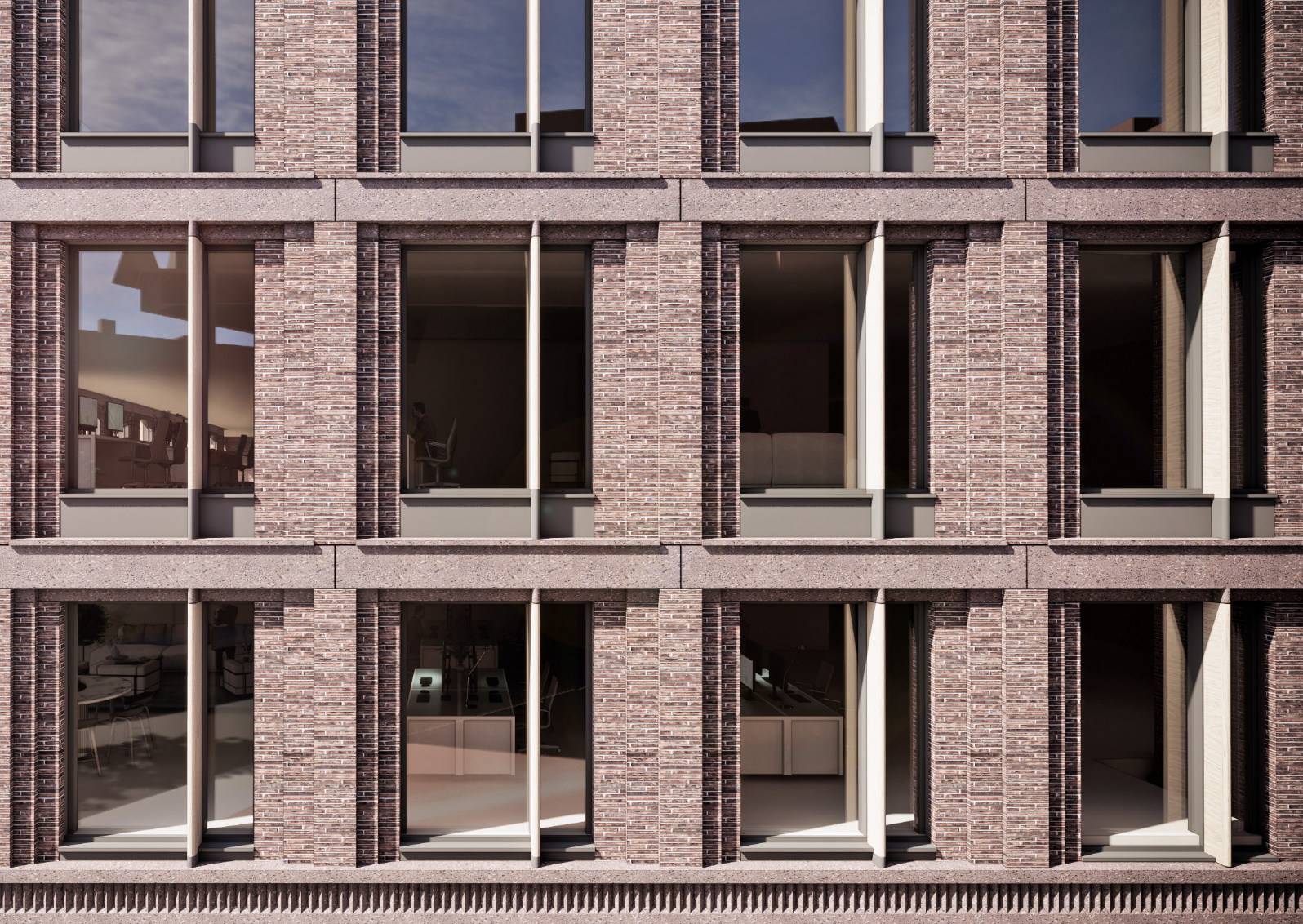
Proposed window design
The building’s existing façade is more than 25 years old and was designed at a time when sustainability was not a major design consideration. The proposals would replace the dated façade with a more energy-efficient external envelope, helping to improve thermal performance and reduce heat loss.
The development is on track to achieve an Energy Performance Certificate rating of ‘A’ and has been designed to achieve at least a 40% reduction compared to planning carbon targets. This represents a significant improvement in energy consumption through an efficient façade and efficient heating, cooling and ventilation systems, as well as solar panels to generate electricity.
Better connectivity and accessibility
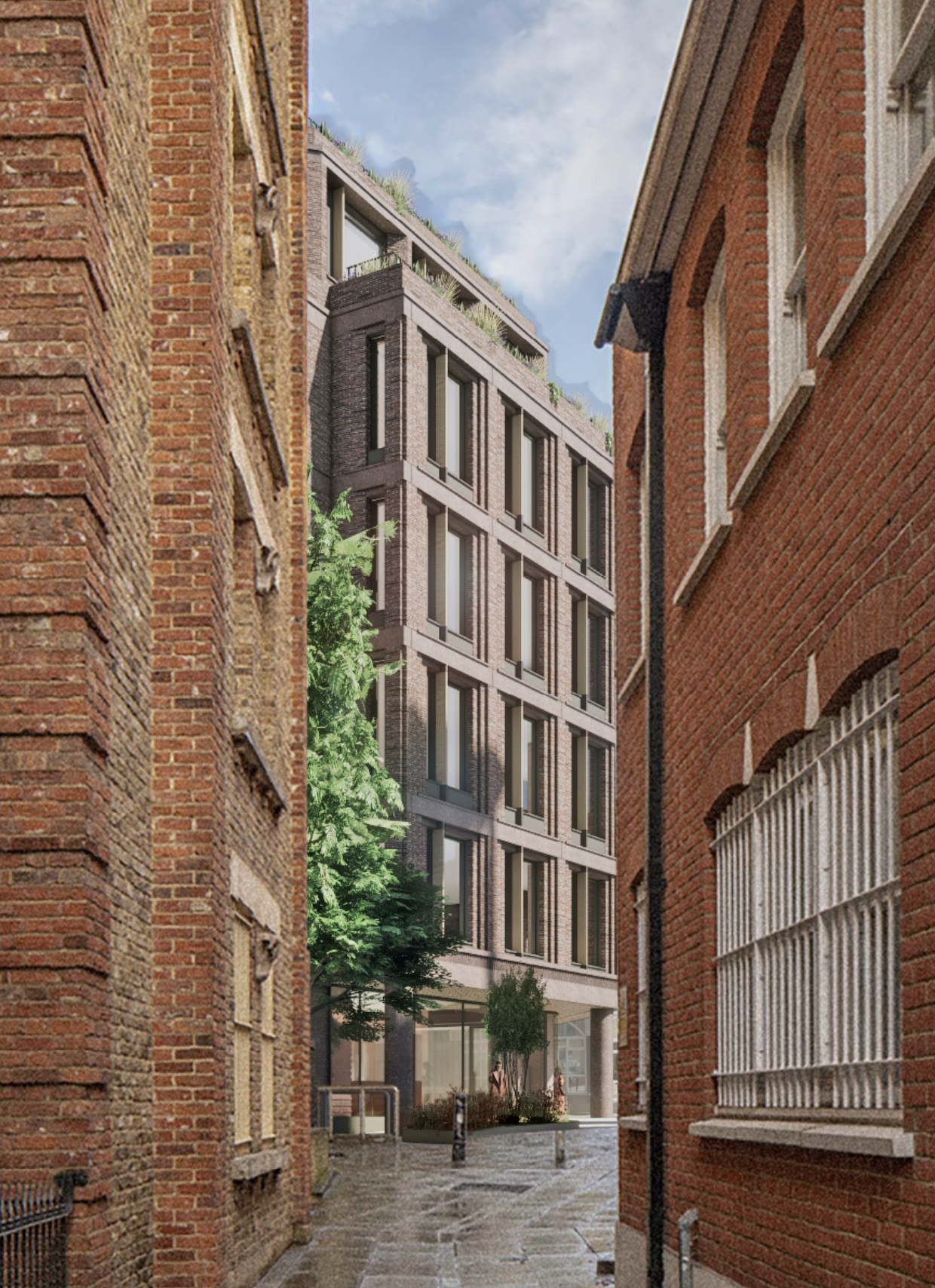
Proposed view north up Peter’s Lane
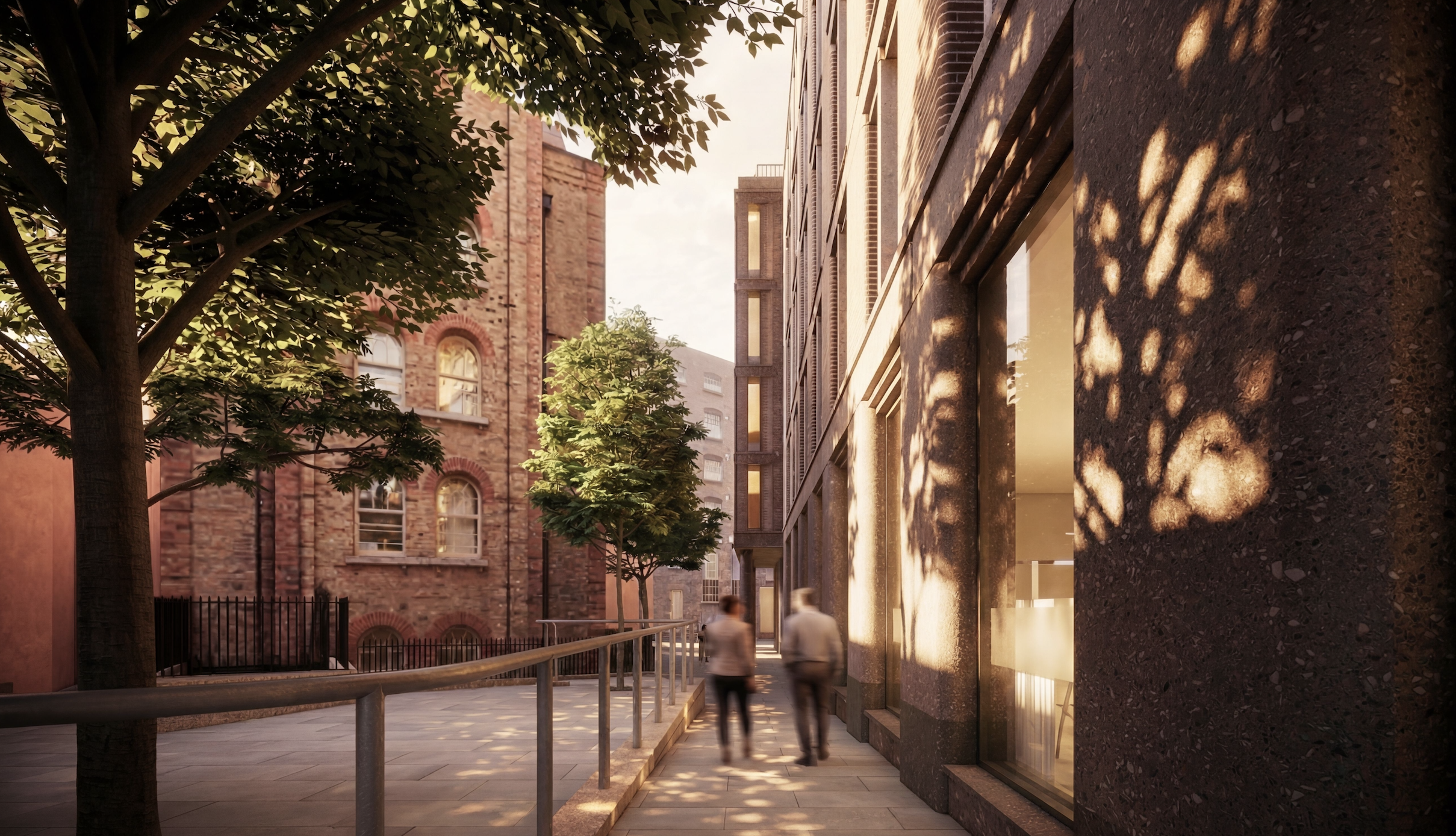
Proposed evening view along Cowcross Yards
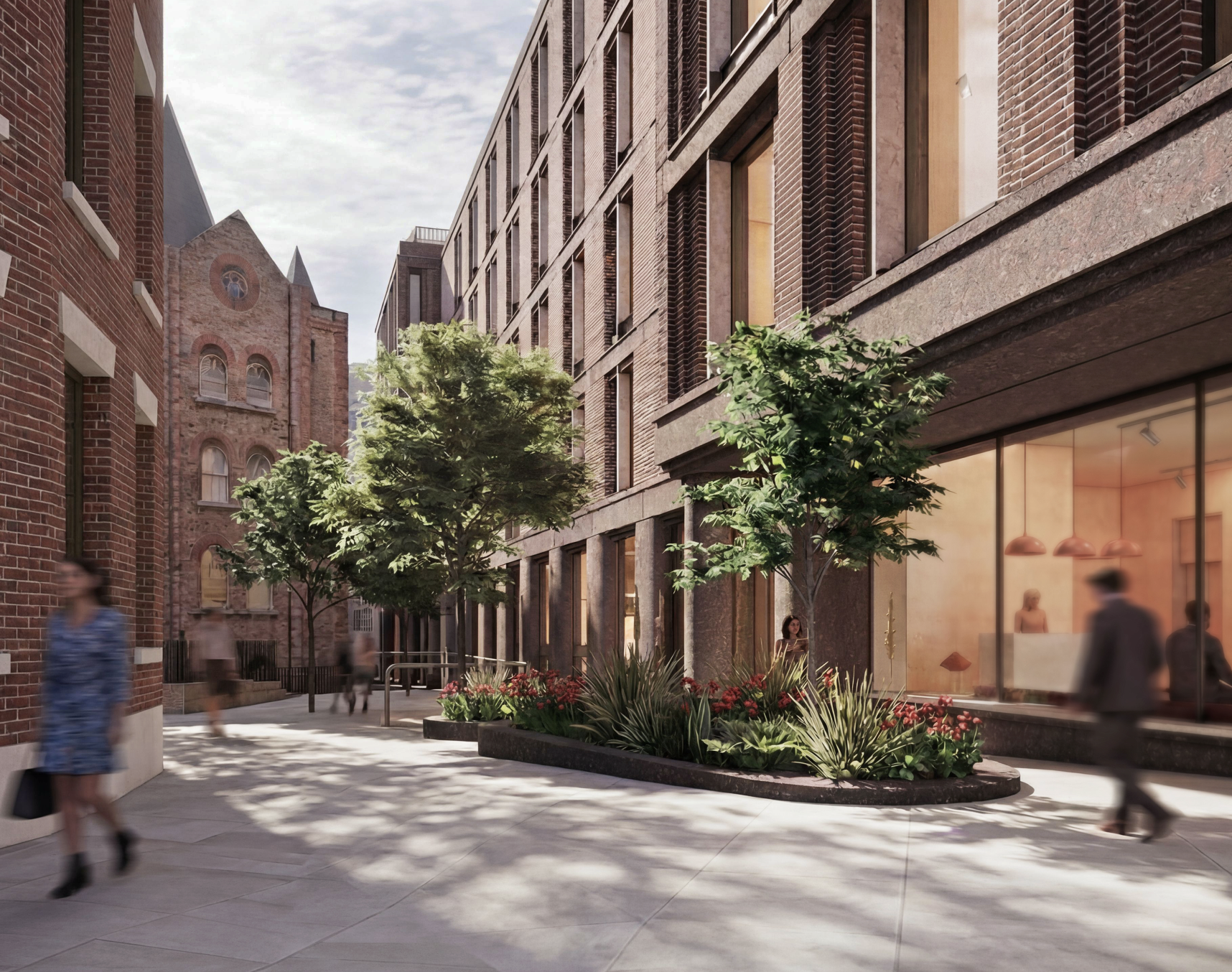
Proposed view of Cowcross Yards
Our proposals would see the existing stone steps and ramp into the building removed and replaced with ground level access. This would maintain disabled access into the building, while significantly improving connectivity between St John’s Street and Cowcross Yards, delivering a boost in footfall to the benefit of nearby businesses, such as Cowcross Market, and providing natural surveillance in the area throughout the day and night.
Flexible office space for the future
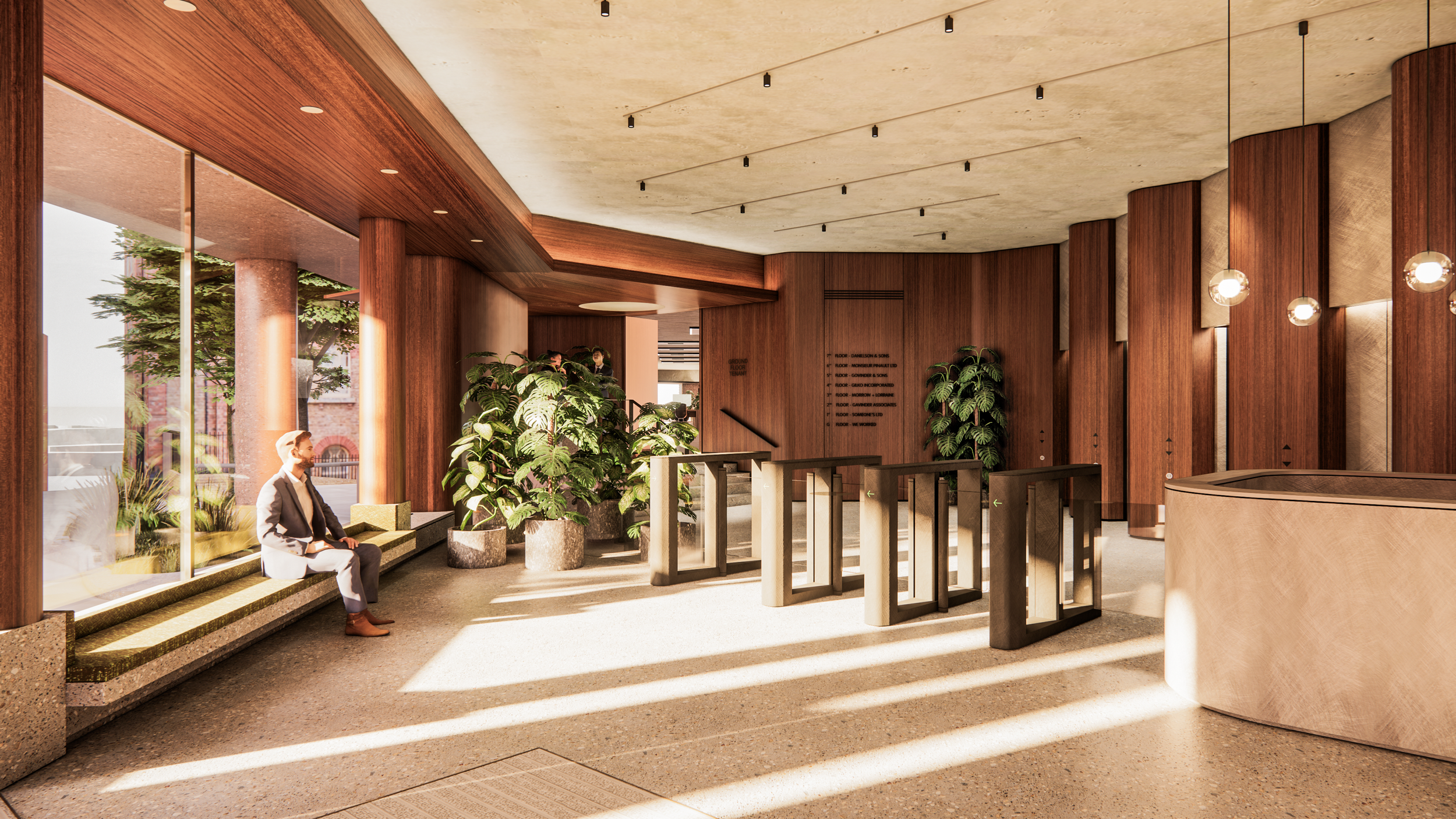
Proposed reception area
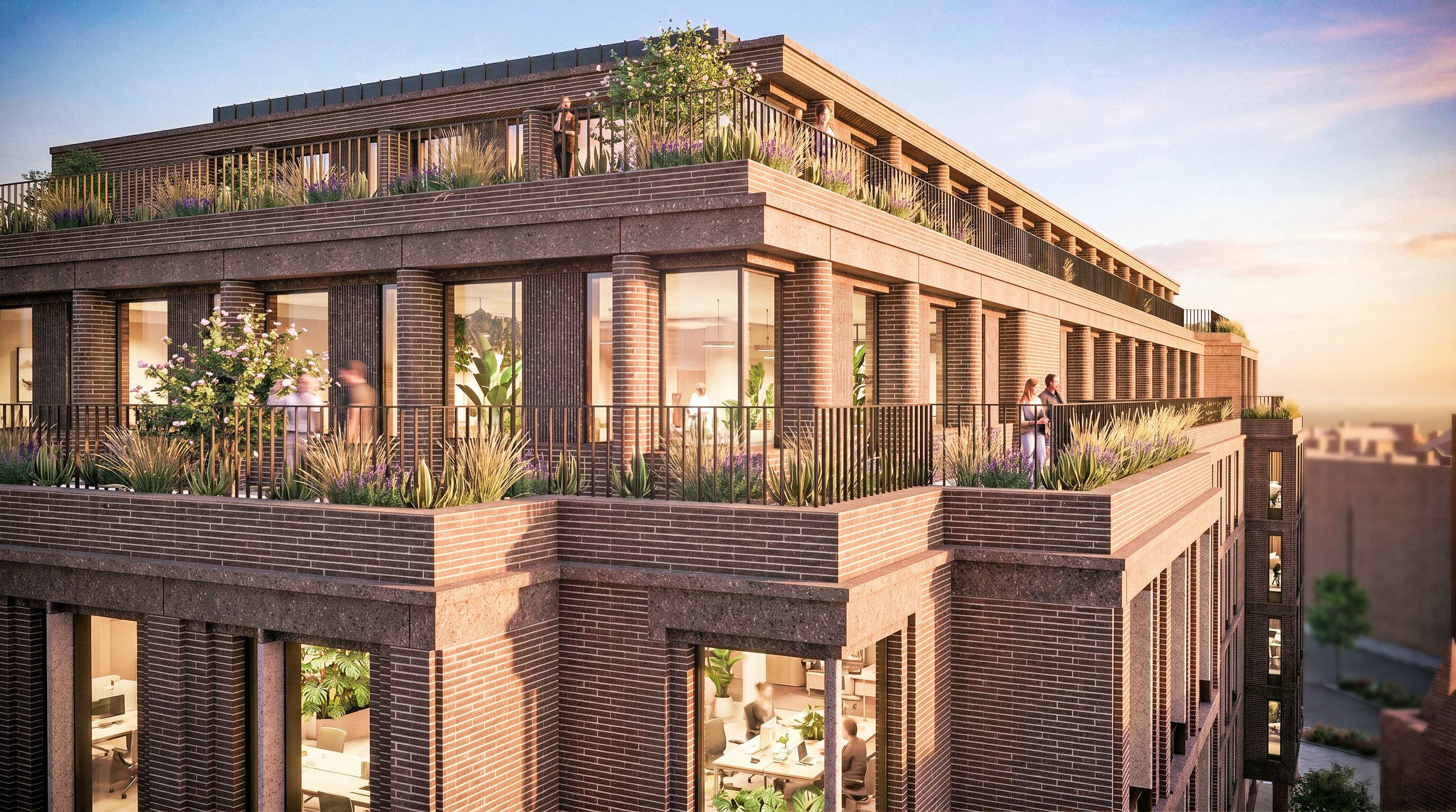
Proposed rooftop terrace
The proposals would create flexible, future-ready office space that can better meet the needs of modern occupiers.
The upgraded office accommodation would provide:
More flexible floorplates
Improved environmental performance
Better facilities for occupiers
A more welcoming reception area.
This would be supported by one additional storey, taking the building up to five storeys. However, the proposed height would remain well below the protected view limits for St Paul’s Cathedral.
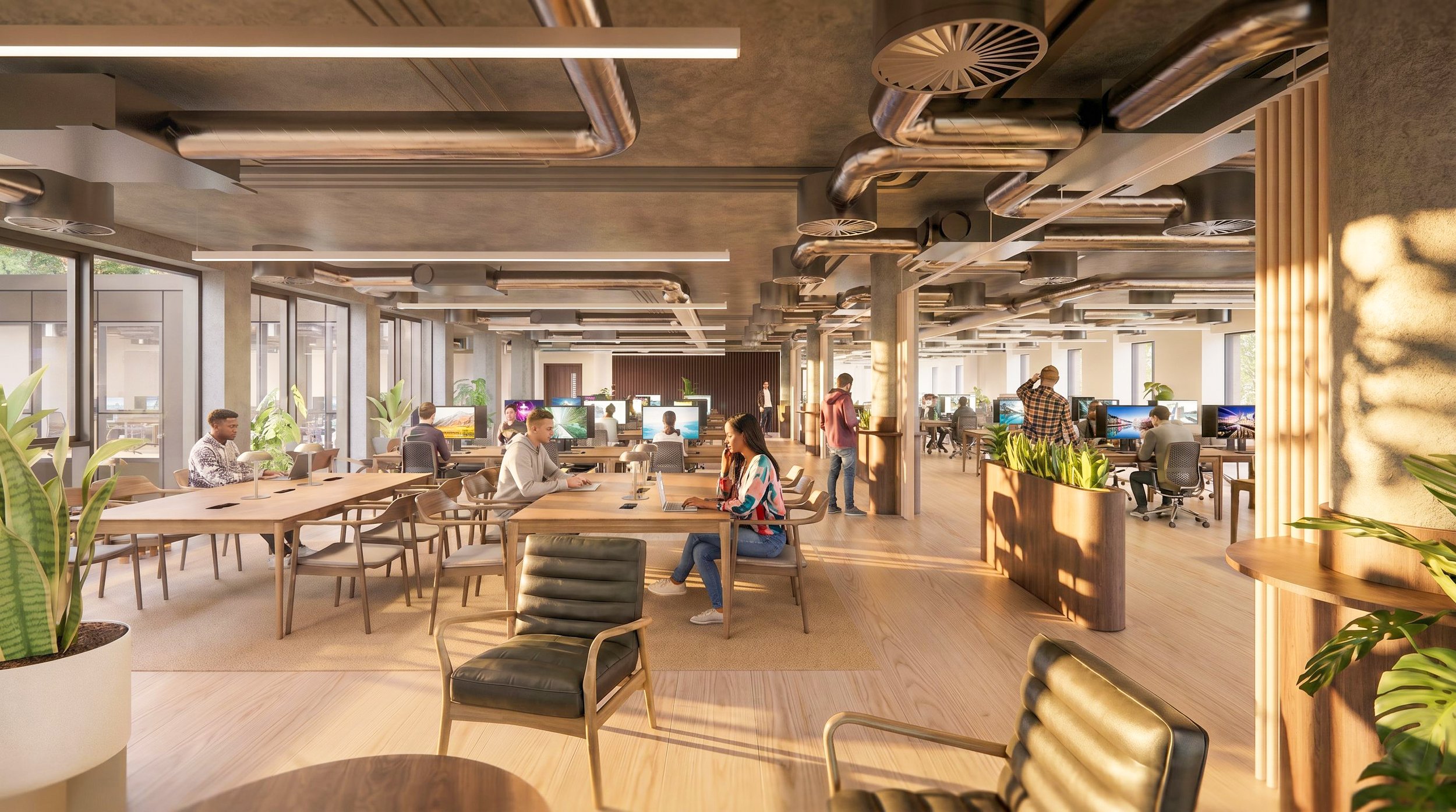
Proposed workspace
The existing building currently provides approximately 89,000 sq ft of office space (Net Internal Area). The proposals would increase this to around 94,000 sq ft, creating improved, modern office accommodation that better meets current occupier expectations.
The existing rooftop is currently used for plant machinery and equipment. The proposals would rationalise this arrangement and create a managed rooftop terrace for office occupiers, providing:
Outdoor space for workers to use during the day
Fresh air, views and greenery
Space to socialise, relax and support occupier wellbeing.
The rooftop terrace would be designed and managed in line with planning policy, with measures to minimise impacts on nearby residents and businesses.